



Blog
Gutter guards: Do they really work, and when are they worth it?

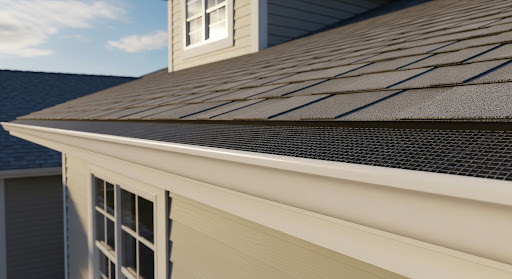
If you’re tired of overflowing gutters, constant blockages, and messy clean-ups after every windy day, gutter guards can sound like the perfect solution. In areas where seasonal rain and wind can dump leaves, pine needles, and debris onto roofs, gutter guards can help, but they’re not a one-size-fits-all fix.
This guide explains what gutter guards actually do, the different types available, when they’re worth installing, and when you might be better off improving the gutter system itself.
What are gutter guards?
Gutter guards (also called gutter covers or leaf guards) are protective systems fitted over or inside gutters to reduce debris buildup. Their job is to keep leaves and larger debris out while still allowing rainwater to flow into the gutter and down the downpipes.
The goal isn’t “no maintenance ever.” The goal is less blockage, fewer overflows, and less frequent cleaning.
Do gutter guards work?
Yes, when they’re matched to the right roof and installed correctly. Gutter guards work best when:
- Your gutters have proper fall (so water and fine debris still move toward the outlets)
- Downpipes and outlets are sized and positioned properly
- The guard type suits your debris (e.g., fine vs broad leaves)
- The system is installed neatly, so water doesn’t overflow during heavy rain
Types of gutter guards
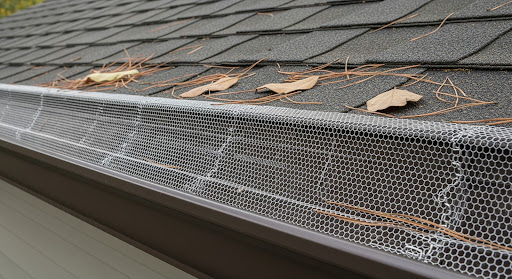
1) Mesh gutter guards (fine mesh / micro-mesh)
These use a metal or polymer mesh to block leaves and allow water through.
Pros
- Good all-round option for many homes
- Helps with leaves and small debris
- Can reduce cleaning frequency significantly
Cons
- Fine debris can still collect on top over time
- Needs occasional brushing/rinsing (especially after wind)
- If incorrectly installed, heavy rain can overshoot the gutter edge
2) Screen guards (coarser perforated sheet)
These have larger holes and are designed mainly for bigger debris.
Pros
- Often cheaper
- Handles leaves fairly well
Cons
- Not great for pine needles or small debris
- Can still allow build-up inside the gutter
3) Surface-tension “helmet” covers
These are curved covers that aim to guide rainwater into the gutter while shedding debris.
Pros
- Can handle large leaf fall in the right conditions
Cons
- Can struggle in heavy rain if not matched to the roof/runoff volume
- Performance varies a lot by design and installation quality
- Often less discreet visually
When gutter guards are worth it
Gutter guards are usually worth it if you have one or more of these situations:
You have trees close to the roofline
If you’re dealing with leaf litter, seed pods, or pine needles, guards can reduce blockages and the risk of overflow during storms.
Your gutters are hard (or unsafe) to access
Double-storey homes or steep rooflines can make cleaning risky and expensive. Guards can reduce how often you need to call someone out.
You’ve had repeated overflow during winter rain
If your gutters overflow because they clog quickly, guards can help keep the flow moving. Just make sure the system capacity is adequate first.
You want lower maintenance, not “maintenance-free”
Think of guards as a way to reduce cleaning, not eliminate it. A quick check and occasional clearing is still smart, especially before the rainy season.
When gutter guards may not be the best first step
Your gutters are undersized or poorly planned
If the gutter profile is too small for the roof area, or you don’t have enough downpipes/outlets, you may still get overflow, even with guards.
Your gutters don’t have the correct fall
Water needs to flow efficiently to outlets. If a gutter run is flat or back-falling, debris and standing water can build up.
You have heavy, fine debris year-round
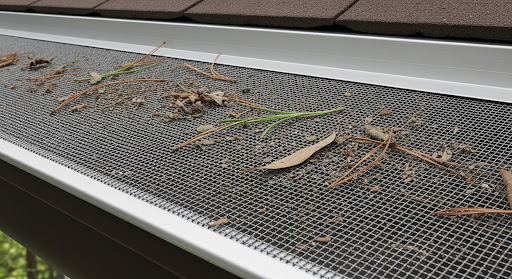
In some areas, very fine debris can accumulate on top of the micro-mesh and reduce water intake. This doesn’t mean guards “don’t work”; it means you need the right type and realistic expectations, plus occasional maintenance.
You have existing leaks or weak points
If joints, corners, or outlets are already leaking, a guard won’t solve it. It’s better to address structural issues first.
The real secret: guards work best with a good system underneath
The best results come when gutter guards are installed as part of a properly set-up gutter system:
- Correct gutter capacity for the roof area
- Correct fall to outlets
- Downpipes sized and positioned to handle stormwater
- Discharge directed away from walls and foundations
- Neat installation that prevents water from overflowing in heavy rain
How long do gutter guards last?
Lifespan depends on the material and installation quality. Quality mesh systems can last many years, but they should still be inspected periodically (especially after strong winds or storms) to make sure they’re secure, and water is flowing correctly.
FAQ: Gutter Guards
Do gutter guards stop gutter cleaning completely?
No. They can reduce how often you need to clean, but most homes still benefit from periodic checks, especially after storms or heavy leaf drop. Fine debris can still collect over time, depending on the guard type.
Will gutter guards prevent overflowing gutters?
They can help if overflow is caused by blockages, but overflow can also be caused by undersized gutters, incorrect fall, too few downpipes, or poor outlet placement. A quick assessment can confirm the real cause.
Are gutter guards worth it for double-storey homes?
Often, yes. If gutter access is difficult or unsafe, guards can reduce the number of clean-outs required per year, saving time and lowering maintenance costs.
Can gutter guards be fitted to existing gutters?
Usually, yes, provided the gutters are structurally sound and installed correctly. If the gutters are sagging, leaking, or poorly sized, it may be better to repair or upgrade first for best results.
Conclusion: Are gutter guards worth it?
Gutter guards can be a smart investment for many Western Cape homes, especially where trees, wind, and seasonal rain lead to frequent blockages. They can reduce maintenance and help prevent overflow, but they’re most effective when your gutter system is correctly sized, properly installed, and supported by good downpipe placement and drainage.
If you’re not sure which option suits your home, the safest approach is to get advice based on your roofline, gutter profile, and the type of debris you deal with.
Need help choosing the right gutter guard system (or upgrading your gutters first)? Contact CCS Gutters for a free quote and professional guidance.