



Blog
Asbestos gutters & downpipes in South Africa: How to identify them and what to do next

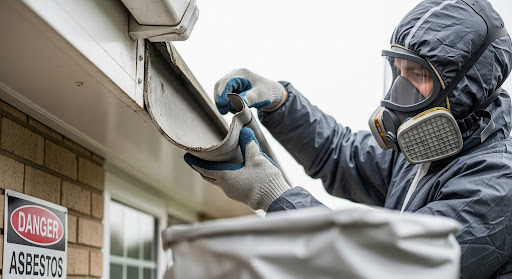
If you live in an older home and someone has mentioned “asbestos gutters” or “asbestos downpipes”, it can be stressful, especially if you’ve already noticed leaks, cracks, or water damage around the roofline. The good news is: you don’t need to panic. The important thing is to avoid disturbing the material and follow a safe, compliant replacement process.
This guide explains what asbestos gutters and downpipes are, the common signs to look for, when it becomes risky, and the best next step if you want the peace of mind of upgrading to a modern gutter system.
Did you know? CCS Gutters is a registered asbestos removal company.
What are asbestos gutters and downpipes?
Many older properties in South Africa used asbestos cement products for building components such as roof sheeting, gutters, and pipes. Asbestos cement was popular because it’s durable, fire-resistant, and handles weather well. The risk comes from asbestos fibres, which can be harmful if they become airborne and are inhaled.
Asbestos-containing materials are often considered lower risk when they are intact and left alone. The risk increases when they are damaged, cut, drilled, sanded, or broken, or when removal is done without the correct controls.
How to tell if your gutters or downpipes might contain asbestos
You can’t confirm asbestos by sight alone, but these signs can help you decide whether you should treat your guttering as suspect until it’s properly assessed:
1) The age of the home
If your home was built or renovated decades ago, especially before modern materials became standard, asbestos cement products are more likely to be present.
2) The look and feel of the material
Asbestos cement often looks like a rigid, cement-like product. It’s commonly grey, but is sometimes painted. It doesn’t have the same metallic look as aluminium or the plastic appearance of uPVC.
3) Damage or deterioration
If you see cracks, chipped edges, crumbling sections, or a powdery residue, it’s a sign the material may be degrading. This is also when you want to be extra cautious.
4) Matching older roof materials
Asbestos cement gutters and downpipes are sometimes found alongside older roof sheets of a similar appearance.
If you’re unsure, the safest approach is not to poke, scrape, sand, or break off pieces to “check”. Get a proper assessment instead.
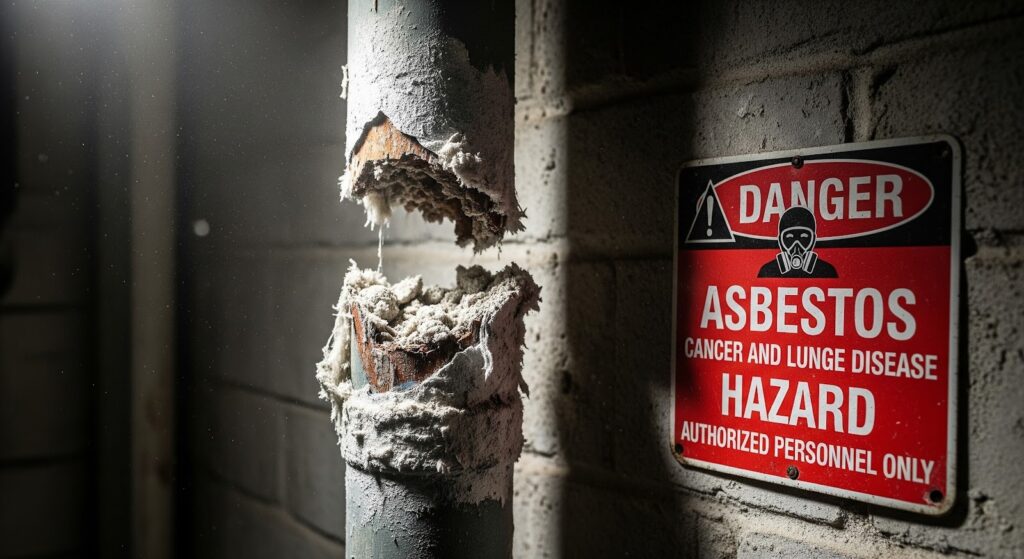
When asbestos gutters become a real problem
Asbestos gutters and downpipes don’t automatically mean danger, but there are clear situations where action becomes more urgent:
- Leaks and overflows that are causing damp walls, staining, or pooling near the foundation
- Cracked or broken sections, especially at outlets and corners
- Loose brackets or sagging runs that place stress on rigid sections
- Planned roof work (repairs, repainting, solar installs) where gutters may be disturbed
- Repeated blockages that lead to heavy overflow during storms
What not to do (seriously)
If you suspect asbestos cement gutters or downpipes, avoid:
- Drilling to “re-fastening” loose sections
- Cutting sections to fit new outlets
- Sanding or scraping during repainting
- Aggressive cleaning methods that abrade the surface
- DIY removal or disposal
Even well-meaning “small repairs” can disturb the material and create unnecessary risk. The safest option is to get professional guidance and follow a compliant process.
The safest next step: assess → remove/replace → upgrade drainage
If you want to deal with asbestos gutters properly, a professional process generally looks like this:
1) Site assessment and planning
A contractor assesses the guttering and downpipes, the condition, access (single storey vs double storey), and how removal can be done safely. This is also where you identify any related problem areas, like poor fall, undersized downpipes, or discharge points that send water back toward the home.
2) Controlled removal and disposal (where required)
Asbestos work must be handled correctly, not just for safety, but also for compliance and peace of mind. This step is about doing the job in a controlled way and disposing of materials through the correct channels.
3) Replacement with a modern system
This is where you upgrade to a system that performs better and looks cleaner.
4) Stormwater optimisation
A gutter system is only as good as the drainage plan behind it. Correct downpipe placement and discharge routing help move water away from walls, foundations, paving, and garden beds, reducing damp risk and erosion over time.
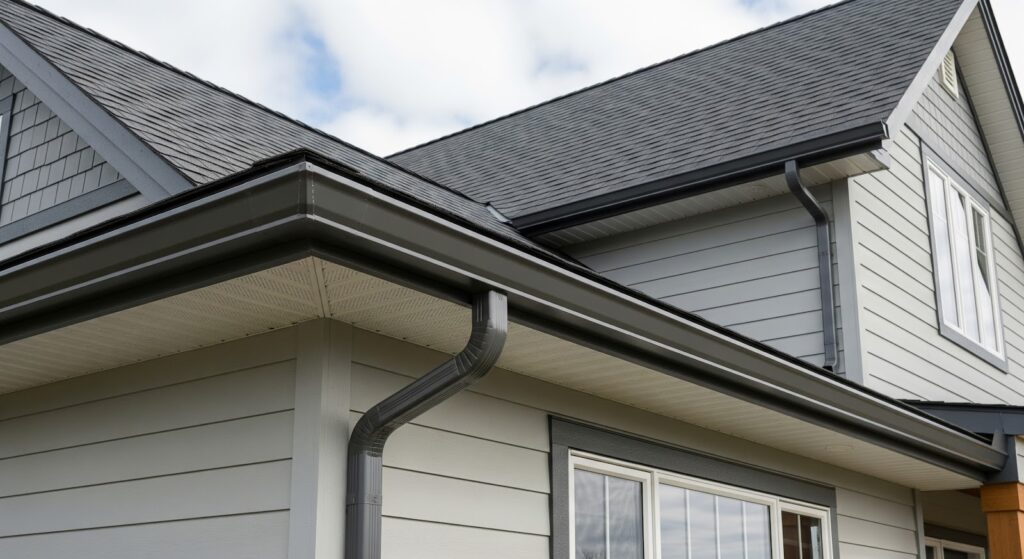
Why seamless aluminium is a smart upgrade after asbestos replacement
Once the asbestos material is handled correctly, seamless aluminium gutters are a popular long-term solution because they offer:
- Rust-free performance (ideal for long service life)
- Custom-formed lengths for your roofline
- Fewer joints than sectional systems, helping reduce common leak points
- Neat, modern finish that suits both older and newer homes
- Low maintenance with proper fall and drainage design
Many “gutter problems” aren’t only about the gutter material. They’re caused by incorrect fall, poor outlet positioning, and weak discharge planning. A good upgrade addresses the whole system.
Frequently asked questions
Should I remove asbestos gutters immediately?
Not always. If the material is intact and not being disturbed, the risk may be lower. But if it’s cracking, leaking, or degrading (or if you’re planning renovations), replacement is often the safer long-term decision.
Can I just repair one section?
Small repairs often involve drilling, cutting, or breaking brittle sections, which is exactly what you want to avoid. An assessment will clarify whether repair is possible without disturbing the material, or whether replacement is the better path.
What affects asbestos gutter replacement cost?
Pricing is typically influenced by:
- Access and height
- Total metres and number of corners/outlets
- Downpipe requirements and discharge routing
- Condition of existing gutters and fascia areas
- Complexity of removal and disposal requirements
- The new system you choose (profile, capacity, finish)
Need asbestos gutters or downpipes replaced safely?
If you suspect asbestos guttering or downpipes on your property, the safest step is to get professional advice before anything is disturbed. Because asbestos materials must be handled correctly and in line with regulations, it’s important to work with a registered contractor who can assess your site and guide you through a compliant replacement process.
CCS Gutters can assist with assessment and safe replacement, including installing a modern seamless aluminium gutter system and optimising stormwater discharge to help protect your home long term.